Blog
Choosing a sheet metal fabricator is not only about whether they can manufacture a part.
For many businesses, the bigger question is whether that supplier can support them when requirements change.
You might need a one-off fabricated solution today, a prototype for a new product next month and repeat batches of an established component for years to come.
That is where the distinction between runner work vs project work becomes important.
A capable sheet metal fabrication partner should be equipped to handle both.
At Ludwick Precision, this forms part of a wider approach that takes customers from initial design and prototyping through to batch creation, production and ongoing manufacturing requirements.
What is runner work in sheet metal fabrication?
Runner work refers to repeat or ongoing manufacturing of an established component or product.
The design has generally already been developed and approved. Rather than starting from scratch each time, the manufacturer produces the same component repeatedly, either as regular batches or when additional stock is required.
Examples could include:
- Metal brackets used within a larger product
- Panels and enclosures
- Components for commercial furniture
- Parts used within machinery or equipment
- Fabricated assemblies
- Repeat components required across multiple installations
The individual order might not always be particularly large.
What matters is that it needs to be produced consistently and reliably each time it is required.
For the customer, runner work is therefore less about solving a new manufacturing challenge and more about maintaining dependable supply.
What is project work?
Project work is typically built around a specific requirement, product, installation or problem that needs to be solved.
There may be a completely new design involved, unusual manufacturing requirements or a defined quantity that needs to be produced for one particular project.
Project work can involve:
Design and development
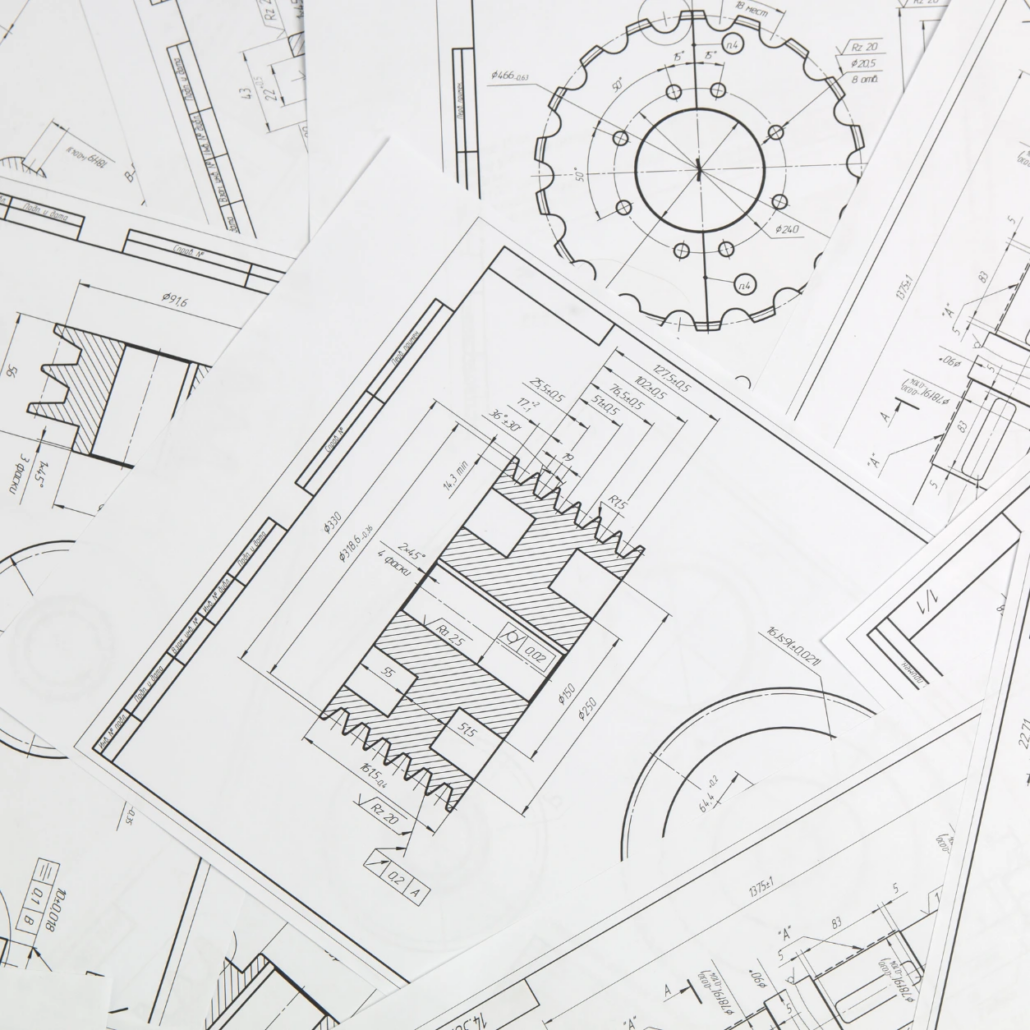
A customer may have an initial concept rather than a manufacturing-ready drawing.
Prototyping
Before committing to full production, prototypes may need to be manufactured, tested and refined.
Complex fabrication
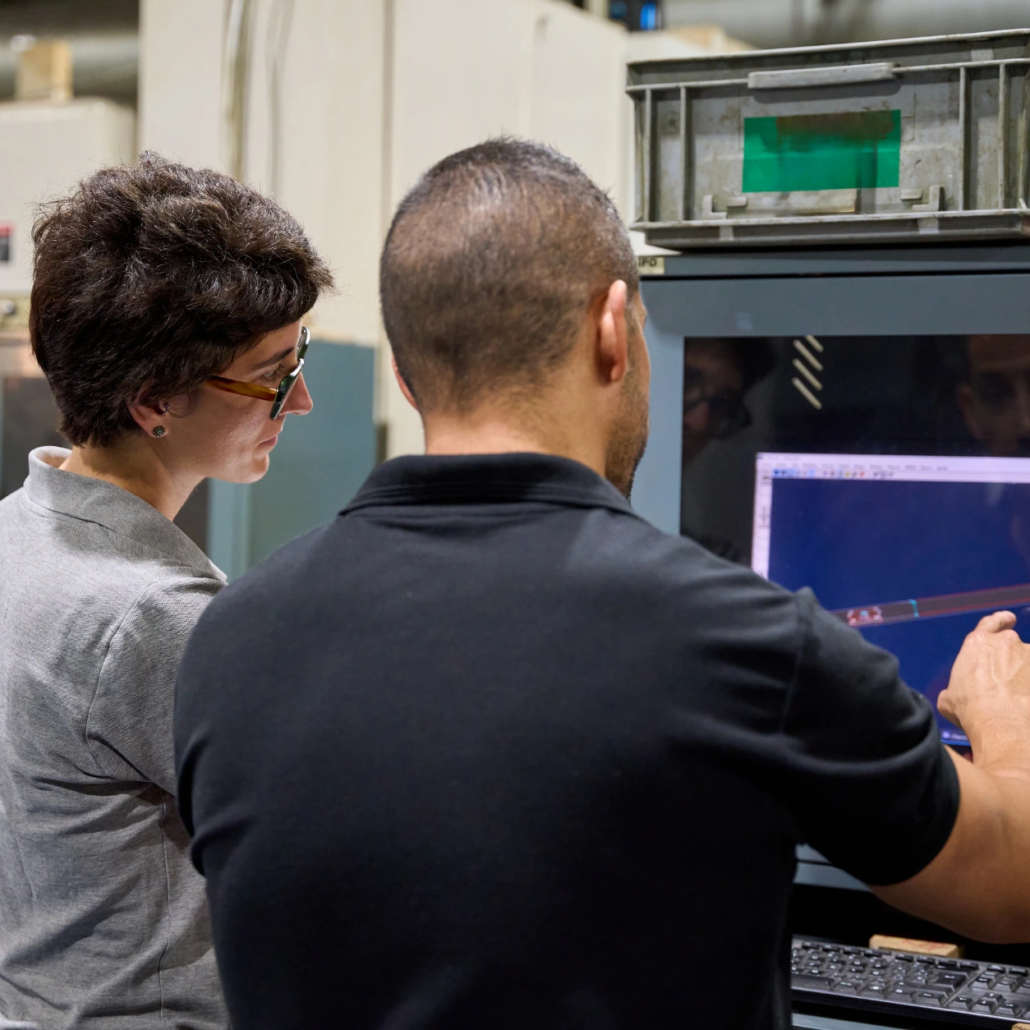
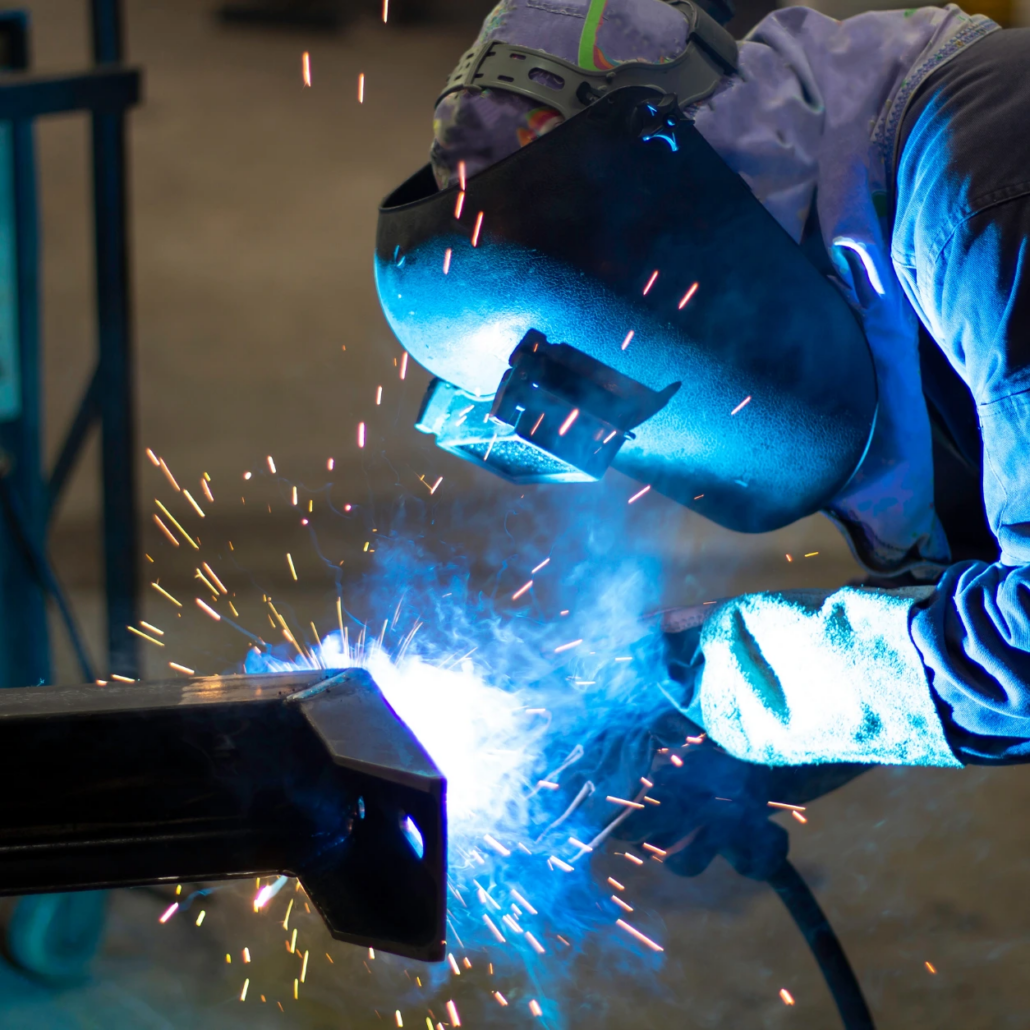
The finished product may involve several processes including laser cutting, forming, welding, finishing and assembly.
One-off or limited production
Some projects only require a single fabricated item or a defined production batch.
Ludwick Precision’s manufacturing process includes product consultancy, prototyping, design development and batch production, allowing new products to be refined before moving into full manufacture.
What is the difference between runner work and project work?
The simplest distinction is:
Project work is about developing and delivering a specific requirement. Runner work is about producing an established requirement consistently over time.
But in reality, the two are closely connected.
A project can become runner work.
A customer might approach a sheet metal fabricator with an idea for a new component. The manufacturer helps develop the design, creates prototypes and manufactures the first production batch.
The product is successful.
Three months later, another 200 units are required.
Then another batch.
At that point, what started as project work has become an ongoing production requirement.
That transition is much easier when the same manufacturing partner is capable of supporting both.
Why does it matter if your sheet metal fabricator can do both?
For businesses purchasing fabricated components, changing suppliers every time the type or volume of work changes creates unnecessary complexity.
You may end up with one company producing prototypes, another handling larger batches and another taking care of repeat requirements.
That creates more suppliers to manage and more opportunities for information, specifications and quality expectations to become disconnected.
Working with a fabricator capable of supporting both project and repeat production offers several advantages.
Your supplier already understands the product
When the manufacturer involved in developing a component also produces the repeat batches, valuable knowledge is retained.
They already understand:
- The drawings
- Materials
- Manufacturing processes
- Tolerances
- Finishes
- Assembly requirements
- Quality expectations
There is less need to repeatedly explain how the component should be manufactured.
The lessons learned during prototyping and initial production remain part of the manufacturing process.
Repeat production needs consistent quality
For runner work, making one component correctly is only the beginning.
The challenge is making it correctly again and again.
If a component forms part of your own finished product, variations between batches can create problems further down the line.
Parts might not assemble correctly. Installation can become more difficult. Finishes may differ. Your own production schedules can be affected.
Repeat manufacturing therefore depends on controlled processes and accurate production methods.
Ludwick Precision uses CNC-controlled laser cutting, 3D CAD/CAM programming and software-driven sheet metal forming to support accuracy and repeatability throughout fabrication.
One-off projects still need flexibility
Reliability does not mean every requirement will be identical.
Businesses evolve.
Products change.
Customers request modifications.
New opportunities appear.
An established runner product may suddenly need a new bracket, different dimensions, an alternative material or an additional feature.
A manufacturing partner with project capability can help develop those changes rather than simply producing the same part indefinitely.
That ability to move between repeatability and problem-solving is valuable when your own products and customer requirements are constantly evolving.
Prototypes can become production parts
One of the biggest advantages of working with a manufacturer capable of both types of work is the transition from development into production.
A prototype may go through several versions before the final design is approved.
Once it is ready, the requirement changes.
The question is no longer:
“Can you make this?”
It becomes:
“Can you keep making this for us?”
Ludwick Precision’s process specifically accounts for this progression, moving from design and prototype manufacturing into finalised designs, batch creation and subsequent production runs.
It can reduce the number of suppliers you manage
Sheet metal manufacturing rarely involves just one process.
A component may need:
Laser cutting → Forming → Welding → Finishing → Assembly → Delivery
If different suppliers are handling each stage, managing even a relatively simple product can quickly become complicated.
Ludwick Precision provides services across product consultancy and prototyping, laser cutting, sheet metal forming, welding and linishing, finishing, assembly and delivery.
Keeping more of the manufacturing process together creates a clearer point of responsibility and reduces the amount of coordination required from the customer.
Your manufacturing partner can grow with you
The quantity you require today may not be the quantity you need in two years.
A new product may begin with a handful of prototypes.
That could become 20 units.
Then 100.
Then repeat orders.
Or an established runner product may suddenly need modification for a major new customer.
Choosing a fabrication partner should therefore involve looking beyond the immediate order.
The better question is:
Can this supplier support where this product or business might go next?
Project capability and production capability require different strengths
Being good at project work does not automatically make a manufacturer good at repeat production.
Likewise, being efficient at repeat manufacturing does not necessarily mean a supplier is equipped to help solve new design challenges.
Project work requires capabilities such as:
- Design input
- Problem-solving
- Prototyping
- Manufacturing expertise
- Flexibility
- Collaboration
Runner work places greater emphasis on:
- Repeatability
- Consistency
- Production control
- Quality
- Communication
- Reliable supply
From the first prototype to ongoing production
At Ludwick Precision, we work with customers across the full manufacturing journey.
That can begin with an early concept requiring design and prototyping support or an existing component ready to enter production.
Once the design is established, we can move into batch manufacturing and continue working with customers as future production requirements develop. Ludwick’s published manufacturing process specifically includes continued relationship management after initial production runs to establish future requirements.
Our wider sheet metal fabrication capabilities include:
Product consultancy and prototyping
CNC laser cutting
Sheet metal forming
Welding and linishing
Painting and finishing
Assembly and delivery
This means customers do not necessarily need to find a new supplier every time their manufacturing requirement changes.